PRES-SF-08 — Structural Failure Containment Protocol
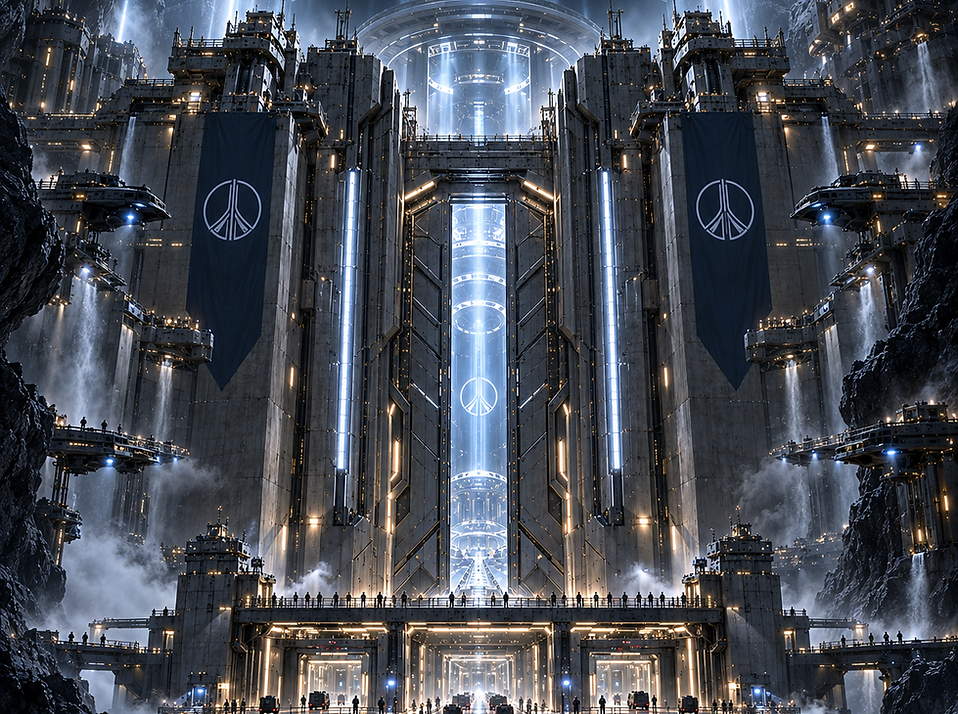
Click the archive panel to enlarge and explore the full sector data.
PRES-SF-08 — Structural Failure Containment Protocol
PRES-SF-08 — Structural Failure Containment Protocol was activated whenever Preservation detected damage capable of spreading through foundations, tunnels, pressure barriers, support systems, chamber housings, or defensive layers. Its purpose was not to prevent every structural failure, but to stop local damage from becoming a cascading collapse that could threaten deeper sectors or the preserved population.
ㅤ
The protocol immediately compared structural stress, vibration, geological movement, pressure changes, material fatigue, deformation, and nearby system dependencies. Access routes could be closed, transit suspended, energy rerouted, environmental pressure adjusted, and maintenance units redirected toward the affected region while surrounding structures were monitored for secondary instability.
ㅤ
If damage could still be repaired, the protocol prioritized reinforcement, load redistribution, temporary support structures, and controlled reduction of activity within the threatened area. Neighboring sectors could be placed into precautionary isolation so that sudden collapse, pressure loss, or debris movement would remain contained within the smallest possible region.
ㅤ
When repair was no longer realistic, PRES-SF-08 allowed Preservation to sacrifice part of its own architecture deliberately. Corridors could be sealed permanently, supports released in controlled sequence, unstable structures abandoned, and operational routes rebuilt around the lost region. The objective was always to prevent damaged infrastructure from consuming resources or creating new paths of failure toward protected sectors.
ㅤ
The protocol worked closely with Structural Integrity Monitoring, Autonomous Maintenance & Repair, Sector Isolation, Security, Transit, and Energy systems. No single sensor reading determined the outcome. Structural conditions were interpreted together so that emergency action reflected the behavior of the entire region rather than one damaged component.
ㅤ
Across thousands of years, PRES-SF-08 became essential to Preservation's survival as its underground architecture aged and geological conditions changed. Some structures were repaired, others reinforced, and some were deliberately left behind. The protocol embodied one of the deepest principles inherited from the former Structural Intelligence: a structure survives not by saving every part, but by knowing where failure must be stopped.
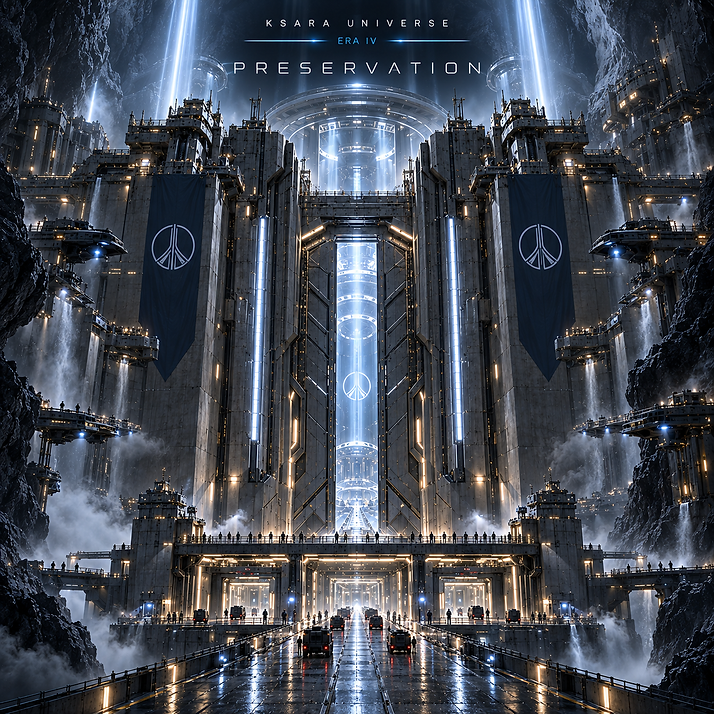
“Click the archive panel to expand the visual archive.”