PRES-GF-13 — Guardian Fragment Integrity Protocol
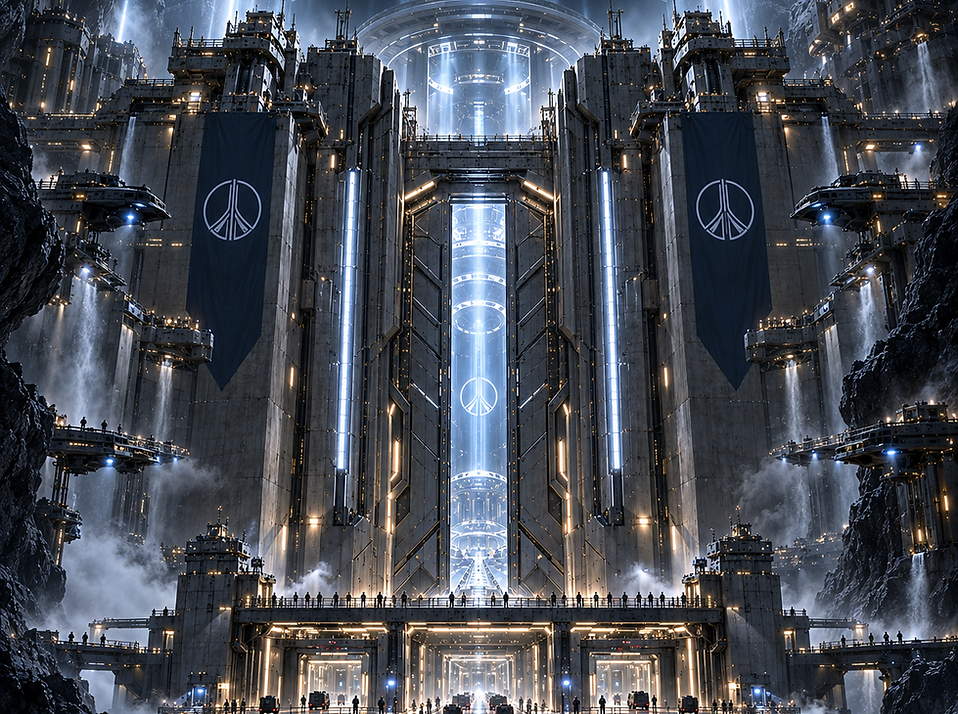
Click the archive panel to enlarge and explore the full sector data.
PRES-GF-13 — Guardian Fragment Integrity Protocol
PRES-GF-13 — Guardian Fragment Integrity Protocol governed the behavior, boundaries, and long-term stability of the cognitive fragments embedded throughout Preservation. These fragments originated from the independent intelligences that had helped build the complex, but they were never intended to recreate those minds in full. The protocol therefore existed to preserve their specialized judgment without allowing them to expand beyond the systems they had been created to support.
ㅤ
Each Guardian Fragment operated within a clearly defined functional domain. Structural fragments remained associated with load analysis and defensive architecture, medical fragments with biological interpretation, energy fragments with power distribution, and other fragments with environmental, communication, maintenance, logistics, or protective systems. The protocol continuously verified that each fragment remained inside its assigned operational boundaries.
ㅤ
Unauthorized expansion triggered immediate containment. A fragment attempting to access unrelated systems, replicate itself beyond approved limits, modify its own architecture without verification, or establish persistent links with other fragments could be isolated from the wider network. Local system functionality would continue through conventional automation while the fragment's behavior was examined independently.
ㅤ
The protocol placed particular restrictions on interaction between multiple Guardian Fragments. Temporary information exchange was permitted when several systems needed to solve the same operational problem, but permanent cognitive merging was prohibited. Preservation had been deliberately designed without a single central controlling consciousness, and the fragments were never allowed to become a path through which such a consciousness could emerge accidentally.
ㅤ
PRES-GF-13 also monitored signs of unexpected cognitive development. Because the fragments contained adaptive structures derived from once-independent intelligences, their long-term behavior could not be predicted with absolute certainty. Repeated self-reference, persistent memory formation, unusual goal development, or behavior extending beyond the original function triggered deeper observation rather than immediate destruction. Preservation distinguished between malfunction and the possibility that something genuinely new might be developing.
ㅤ
Across thousands of years, the Guardian Fragment Integrity Protocol protected both Preservation and the legacy of the intelligences that had sacrificed parts of themselves to create it. The fragments were allowed to adapt enough to remain useful, but never allowed to become unrestricted. The principle remained unchanged: Preservation could inherit their judgment without claiming the right to rebuild them into something they had never chosen to become.
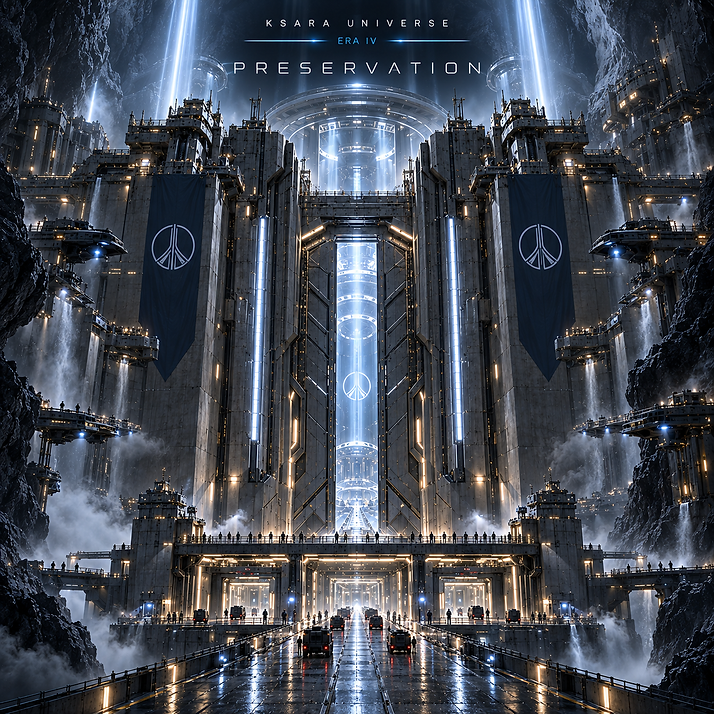
“Click the archive panel to expand the visual archive.”