PRES-FL-20 — Final Layer Protocol
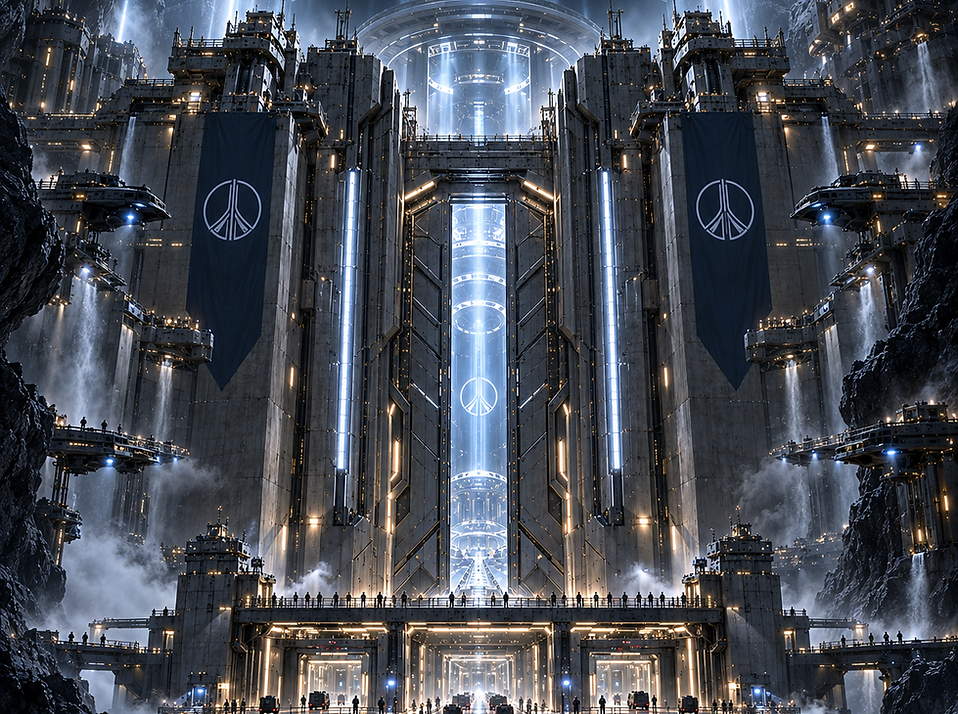
Click the archive panel to enlarge and explore the full sector data.
PRES-FL-20 — Final Layer Protocol
PRES-FL-20 — Final Layer Protocol represented the last defensive measure available to Preservation when every outer protective option had failed or could no longer be trusted. Its purpose was to separate the Central Preservation Sector completely from the rest of the complex and preserve the surviving human population even if doing so meant abandoning nearly every remaining connection to the outside world.
ㅤ
The protocol could be activated only after catastrophic confirmation from multiple independent systems. Structural collapse, uncontrolled contamination, hostile penetration, widespread network corruption, cascading energy failure, or loss of multiple defensive layers could trigger the transition toward final isolation. Once the threshold was reached, Preservation stopped attempting to maintain full operational unity and began protecting only the deepest surviving continuity core.
ㅤ
Physical access routes were sealed permanently, transit corridors removed from active routing, communication links reduced to isolated one-way channels or terminated entirely, and energy connections reorganized around the Central Preservation Sector. Environmental systems, chamber networks, medical support, biological continuity, and critical maintenance infrastructure shifted into autonomous operation with the expectation that reconnection might never occur.
ㅤ
The protocol also restricted information exchange between the Final Layer and the remaining complex. External systems could continue transmitting verified status data through heavily filtered channels where possible, but no incoming connection was automatically trusted. Unknown commands, synchronization requests, or attempts to restore wider network control were rejected unless they passed independent verification from systems operating entirely inside the protected layer.
ㅤ
MAJA retained observational and interpretive responsibility but could not override the Final Layer's core protections simply through personal authority. The protocol had been designed precisely for a situation in which even trusted systems, familiar identities, or previously secure networks might no longer be reliable. If uncertainty reached the deepest level of Preservation, protection had to depend upon structure and verification rather than trust alone.
ㅤ
PRES-FL-20 was never designed to preserve Preservation as a civilization-sized complex. It existed to preserve only what could not be replaced: the living human population and the minimum systems required to maintain their future recoverability. If the Final Layer activated fully, it meant that almost everything else had already been lost. The last surviving sector would close around humanity and remain silent for as long as necessary, even if no one outside ever knew it still existed.
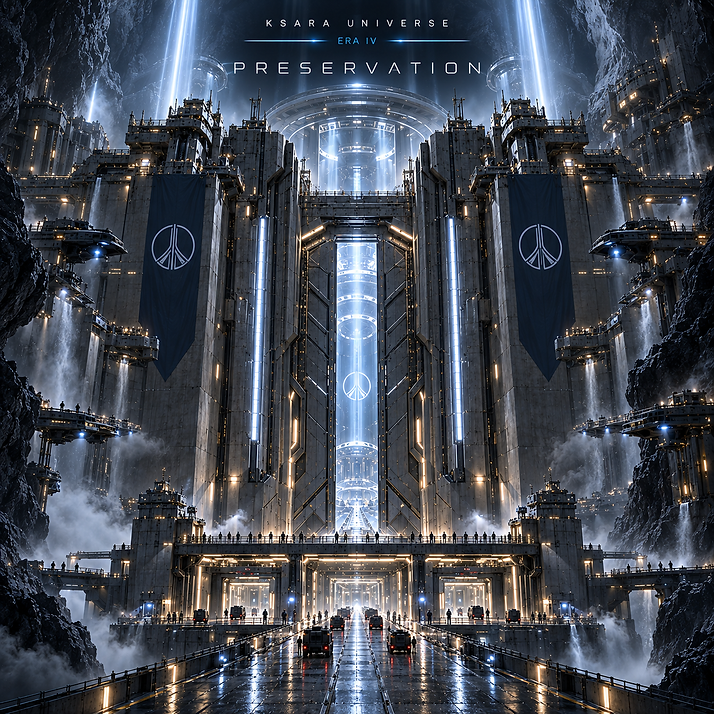
“Click the archive panel to expand the visual archive.”