PRES-EC-07 — Energy Conservation Protocol
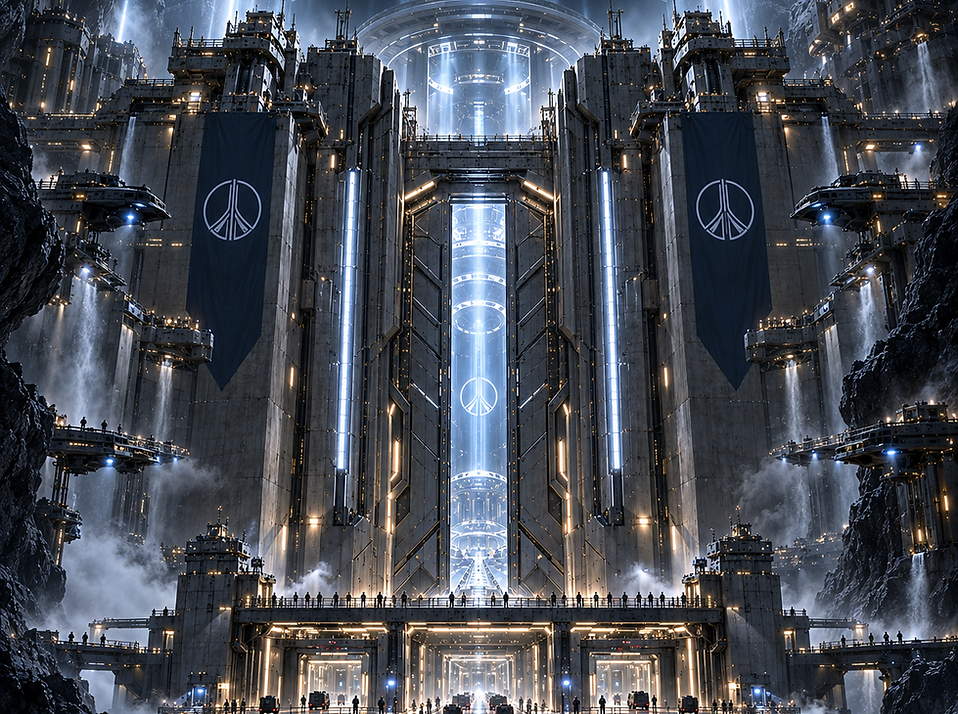
Click the archive panel to enlarge and explore the full sector data.
PRES-EC-07 — Energy Conservation Protocol
PRES-EC-07 — Energy Conservation Protocol was activated whenever long-term energy production, storage, or distribution fell below the levels required to maintain every Preservation system at normal operational capacity. Its purpose was to reduce consumption in a controlled sequence while ensuring that systems directly responsible for preserved human life remained protected for as long as possible.
ㅤ
The protocol divided Preservation infrastructure into multiple energy-priority levels. Human preservation chambers, biological continuity, medical support, environmental life support, critical monitoring, and essential structural protection remained within the highest priority group. Nonessential lighting, inactive transit infrastructure, redundant archives, secondary maintenance zones, unused technical sectors, and lower-priority operational systems could be reduced or suspended progressively as available energy declined.
ㅤ
Energy conservation was not treated as a simple shutdown procedure. The protocol continuously evaluated how reducing one system would affect others, preventing apparently minor savings from creating larger failures elsewhere. Lowering environmental support, for example, could increase chamber demand, while suspending maintenance could accelerate structural degradation and eventually consume more energy than the original savings had preserved.
ㅤ
Individual sectors could enter independent low-energy states if local reserves became limited. Communication frequency could be reduced, maintenance cycles extended, environmental ranges widened within safe limits, and inactive infrastructure placed into deep standby. Critical biological systems continued receiving stable power even while the surrounding sector appeared almost completely dormant.
ㅤ
If long-term projections showed that available resources could no longer support the entire active complex, PRES-EC-07 authorized permanent energy withdrawal from damaged, abandoned, or strategically unnecessary regions. Those sectors were isolated before disconnection so that their shutdown could not destabilize deeper networks. Energy previously consumed by them was redirected toward chambers and infrastructure with direct continuity value.
ㅤ
Across thousands of years, PRES-EC-07 allowed Preservation to survive periods in which energy availability changed far beyond the expectations of its original builders. Its purpose was never to keep every machine operating forever. It existed to ensure that when energy became scarce, Preservation always knew what had to remain alive first.
“Click the archive panel to expand the visual archive.”